The layout and social atmosphere surrounding the baccarat table have undergone significant changes over the past few decades. Originally hidden away in secluded, high-stakes casino rooms, the game was defined by its rigid etiquette and quiet formality. Today, the sensory landscape of this classic card game has shifted to accommodate diverse styles of engagement across both physical floors and digital spaces.
The Glamour of Traditional European Salons
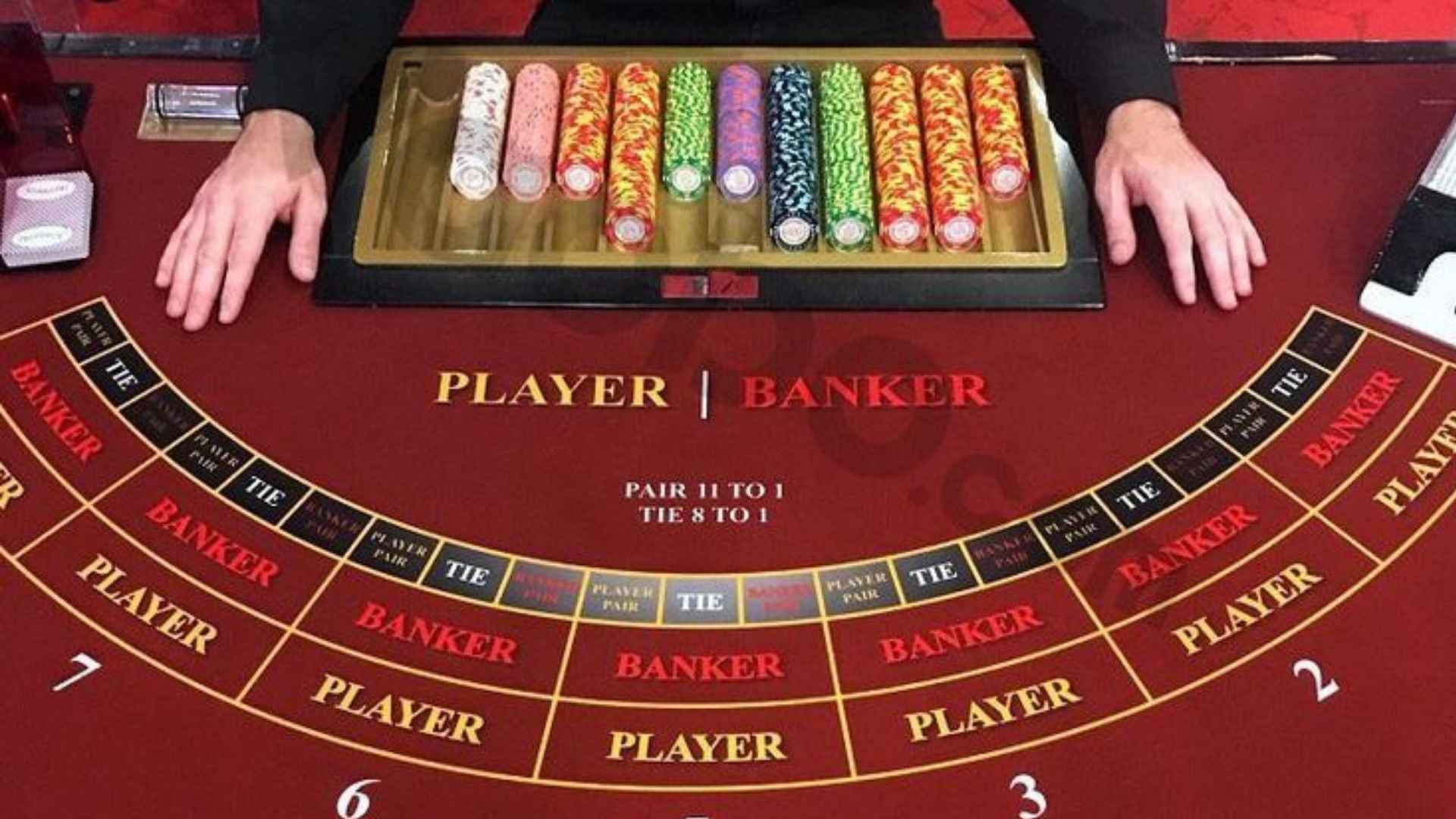
In its earliest commercial iterations, baccarat was deeply intertwined with an aura of absolute exclusivity. Massive felt tables were operated by multiple dealers, and players took turns physically handling the cards using traditional wooden paddles. This slower, highly ritualistic process fostered an intense psychological environment where the social status of participants was on full display.
The physical separation of these baccarat tables from the main casino floor enhanced the feeling of privacy and high financial pressure. The community dynamics were driven entirely by face-to-face interactions, unspoken rivalries, and the shared suspense of the reveal. This traditional setup laid the foundation for the game's reputation as a premium pastime for seasoned enthusiasts.
The Emergence of Fast Paced Retail Layouts
As gaming markets expanded into bustling international hubs, operators recognized the need to make the game more dynamic and less intimidating. The introduction of smaller table configurations, often referred to as mini-baccarat, completely removed the traditional requirements for player card handling. This structural shift allowed dealers to distribute hands much faster, significantly increasing the volume of play per hour.
By placing these streamlined tables directly alongside standard blackjack and roulette setups, casinos opened the game to a broader demographic of casual participants. The physical environment transitioned from a quiet, isolated room into a vibrant, high-energy section of the main casino floor. This transformation lowered the barrier to entry while maintaining the core thrill of chasing a total close to nine.
The Shift Toward Virtual Environments and Streaming Tech
The digital revolution introduced entirely new ways for players to interact with the table without being physically present in a casino. Early automated platforms focused purely on speed and efficiency, using random number generators to deliver quick individual sessions. Modern enthusiasts can easily explore these distinct technological setups on platforms like m88bet, which seamlessly bridge classic entertainment with contemporary accessibility.
The subsequent integration of real-time streaming video completely redefined the modern digital baccarat landscape. High-definition live dealer studios now replicate the physical touchpoints of a land-based venue, complete with real cards, professional croupiers, and multi-angle camera views. This combination allows participants to enjoy authentic communal interaction and transparency from anywhere in the world.
The Fusion of Multi Seat Interfaces and Side Options
Modern table layouts frequently combine traditional seat tracking with advanced user interfaces that display detailed historical trends. Digital roadmaps allow analytical players to track patterns in real time, mimicking the physical scorecards used in classic gaming halls. Furthermore, the inclusion of community chat features brings a new level of social interaction to virtual environments.
The expansion of modern tables has also introduced diverse side wagers and bonus structures that inject extra variety into standard rounds. These contemporary updates ensure that both casual newcomers and long-time purists can find a layout that aligns with their personal style. As technology continues to develop, the balance between historical elegance and digital convenience will shape the next generation of card gaming.