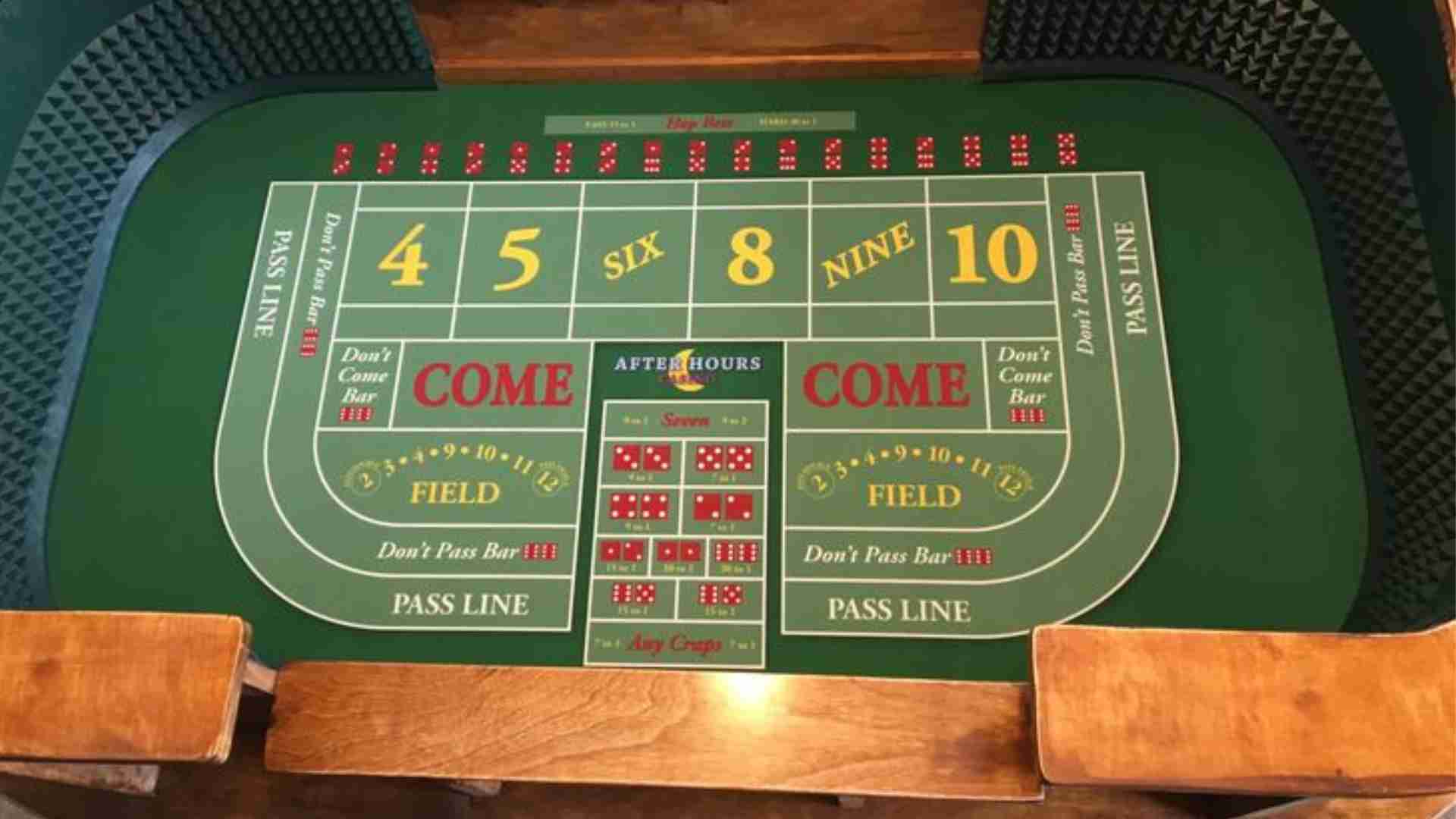
The interactive nature of prize wheels makes them a staple in both physical marketing activations and modern digital applications. These vibrant displays leverage fundamental human behaviors to turn a simple moment of chance into a compelling narrative of anticipation. Understanding the core elements that define these attractions reveals why they continue to command attention across diverse generations of players.
The Psychology of Visual Deceleration
The gradual slowing down of a spinning wheel serves as the primary engine for creating intense player engagement. As the markers click past individual segments, observers experience a biological spike in focus and cognitive investment. This calculated mechanical delay transforms what could be a sterile transactional event into a shared emotional journey.
Furthermore, because every available reward remains fully visible during the spin, players naturally evaluate their options in real time. This constant exposure keeps the mind active and heightens the overall gratification when the pointer finally stops. The transparent simplicity of the layout ensures that anyone can participate without feeling overwhelmed by complex rules.
Sensory Elements That Amplify Tension
Modern adaptations rely heavily on precise auditory and visual feedback loops to build unforgettable entertainment milestones. High-definition animations, shifting color schemes, and timed acoustic thuds help replicate the physical weight of traditional carnival gear. These artistic design elements work together to ensure that every single round delivers a distinct sense of importance.
Many popular digital entertainment portals leverage these multi-sensory designs to modernize their casual gameplay choices. For example, prominent brands like m88 mansion incorporate specialized prize mechanisms to maintain high retention among global gaming enthusiasts. By focusing on sensory refinement, developers guarantee that the classic interface remains deeply relevant within modern media ecosystems.
Strategic Diversity in Reward Structuring
The long-term appeal of a modern spinning system is heavily dependent on how the underlying incentives are balanced across the wheel. Instead of relying purely on fixed cash values or singular payouts, current configurations often feature multi-layered progression models. Introducing mystery boxes, point modifiers, and secondary entry tokens adds a layer of tactical intrigue to an otherwise random process.
This variety prevents the core loop from becoming predictable or formulaic over multiple consecutive visits. When players know that even smaller segments offer functional value, their overall satisfaction with the experience increases dramatically. This intentional design framework encourages extended participation while maintaining a healthy, balanced atmosphere for the consumer.
Future Technological Boundaries for Interactive Wheels
As the consumer electronics landscape shifts toward spatial computing, promotional wheels are poised to integrate with immersive simulation software. Virtual reality environments will soon allow users to physically reach out and spin highly customized digital models in real time. This technical leap will likely strengthen customer loyalty by turning standard button prompts into fully tactile interactions.
Ultimately, the fundamental charm of randomized reward delivery ensures that these modules will retain a permanent home in the leisure market. They offer an elegant, low-stress alternative to intense strategic simulators while fulfilling our natural desire for positive reinforcement. Through thoughtful visual design and balanced reward loops, creators can preserve the undeniable magic of the wheel for years to come.