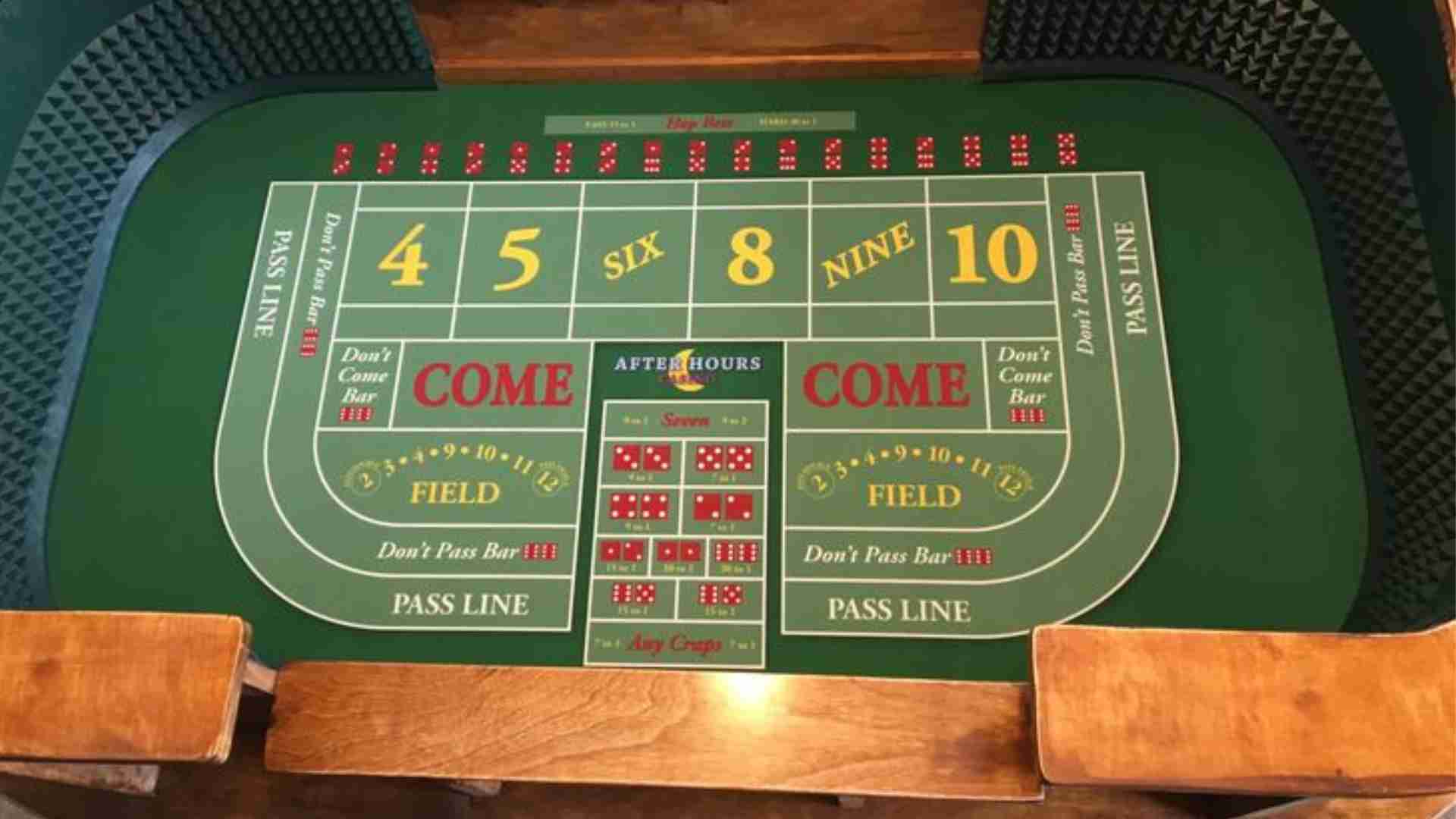
Digital technology has completely reimagined how modern users discover new forms of online entertainment. Traditional loyalty systems are rapidly making way for interactive interfaces that turn milestone achievements into dynamic experiences. Among these innovations, digital reward wheels stand out by combining modern design with elements of anticipation to capture consumer attention effectively.
The Psychology Behind Kinetic Interface Design
The core appeal of a virtual wheel layout relies heavily on the sensory engagement it provides before an outcome is revealed. By mimicking the physical rotation of mechanical spinners, digital engines build genuine suspense as the indicator gradually slows down. This transition from static text lists to moving visuals satisfies a baseline human curiosity regarding unexpected outcomes.
Furthermore, developers integrate tailored themes and responsive sound effects to enhance the overall atmosphere of each session. These visual updates help transform standard media promotions into multi-layered entertainment portals. When platforms combine transparent random selection systems with this fluid movement, the resulting experience becomes significantly more satisfying for the end user.
Expanding Content Discovery Across Interactive Networks
Modern reward systems do not simply present fixed cash values; instead, they serve as unique gatekeepers to diverse digital ecosystems. A single spin can introduce participants to new game mechanics, exclusive event access, or specialized community challenges. This approach allows brands to showcase peripheral content categories that users might normally overlook during routine visits.
For instance, platforms focusing on interactive amusement can utilize specialized spinners to distribute customized access codes or promotional credits. Enthusiasts exploring a versatile network like m88 thể thao often find that dynamic reward models keep their casual sessions feeling fresh and unpredictable. By shifting the focus from singular goals to open-ended content discovery, companies create sustainable retention loops that respect consumer preferences.
Promoting Balanced Gameplay and Transparent Algorithms
As interactive reward mechanics grow more common, maintaining absolute clarity regarding algorithmic probability becomes vital for user trust. Responsible modern software development requires that verified paytables and theoretical distribution rates remain accessible to all participants. This transparent design ensures that users view the rotation process as a casual form of entertainment rather than a predictable strategy.
Establishing personal session limits and tracking your interaction history helps keep digital activities fun and sustainable. When consumers understand that every individual turn operates on an independent mathematical equation, they drop flawed tracking myths. True success in navigating these virtual systems comes from enjoying the immediate momentum of the interface while respecting the laws of random selection.
The Emergence of Personalized Progression Trees
Looking forward, the future of interactive reward wheels points toward deep personalization driven by real-time user behavior. Instead of utilizing identical layouts for every visitor, future systems will adapt available segments based on individual progression milestones. This ensures that the incentives displayed match the unique interests and skill levels of each active participant.
By blending traditional elements of chance with narrative-driven milestone systems, developers create a much richer form of media. Participants remain motivated not just by the primary incentives, but by the ongoing story path their choices unlock. Ultimately, digital wheels are transitioning from simple novelty features into comprehensive frameworks for meaningful interactive engagement.